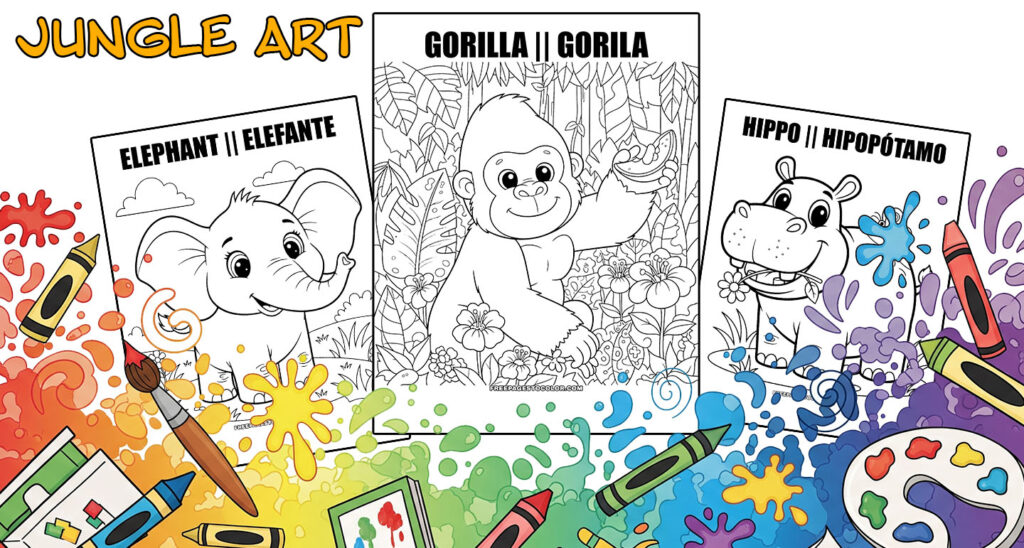
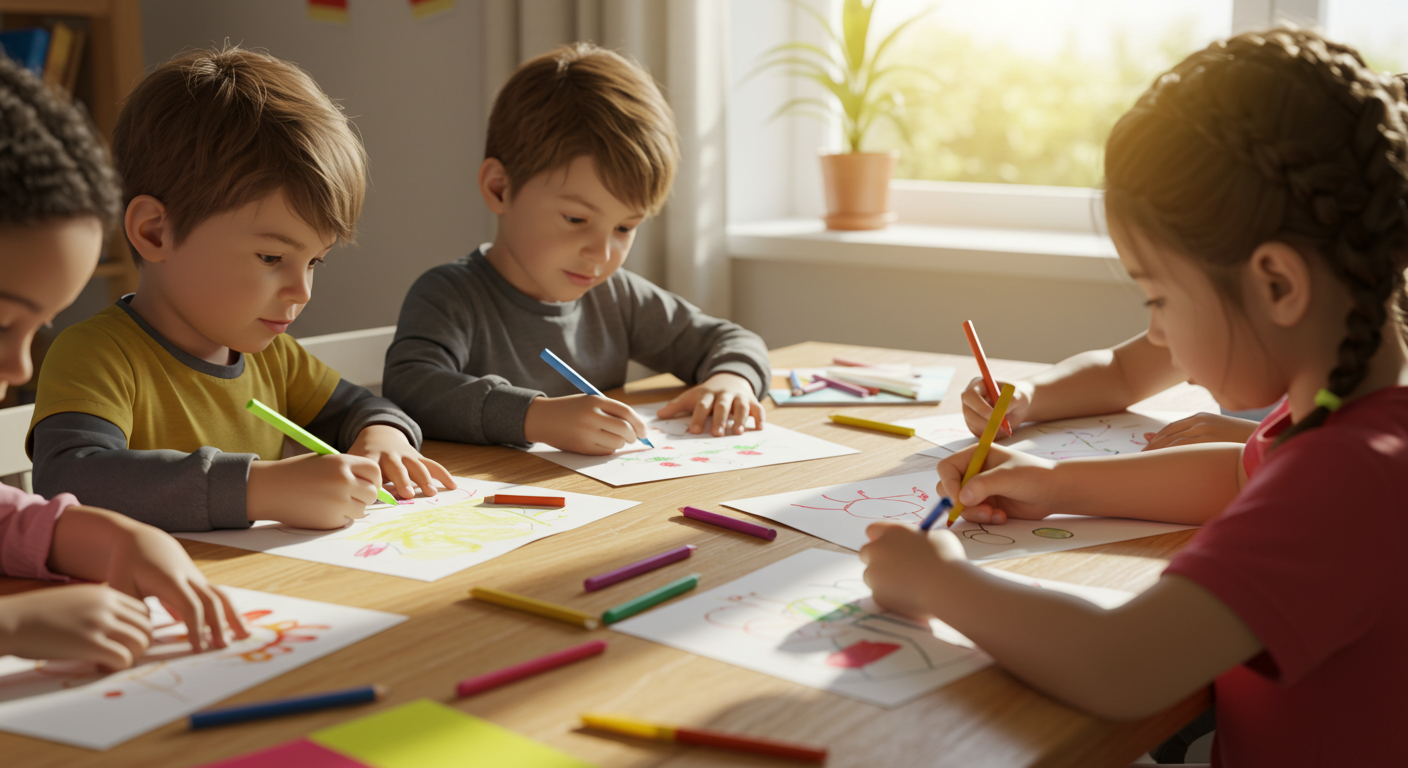
In a world increasingly dominated by screens, the humble coloring book might seem like an antiquated pastime. However, for parents, educators, and even adults seeking to refine their dexterity, coloring offers a surprisingly powerful and enjoyable path to improved motor skills. Far from being just a childhood diversion, this accessible activity plays a crucial role in developing and maintaining the precise movements essential for countless daily tasks.
Beyond the Lines: What Are Motor Skills and Why Do They Matter?
Before diving into the “how,” let’s briefly define “motor skills.” These are the abilities that allow us to move our bodies and manipulate objects. They are broadly categorized into:
- Gross Motor Skills: Involve larger movements using major muscle groups (e.g., walking, running, jumping).
- Fine Motor Skills: Involve smaller, more precise movements using the muscles in the hands, wrists, and fingers (e.g., writing, buttoning a shirt, picking up small objects).
While coloring certainly engages gross motor skills to some extent (think about arm movements), its primary impact is on fine motor skills. These skills are foundational for academic success, self-care, and professional tasks, making their development paramount.
The Coloring-Motor Skill Connection: A Detailed Look
How does simply filling in shapes translate into tangible improvements in motor skills?
- Pencil Grip and Control: Holding a crayon, colored pencil, or marker correctly is the first step. Coloring naturally encourages a proper tripod grip, which is essential for legible handwriting and sustained comfort during writing tasks. As individuals color, they learn to vary pressure, control direction, and make precise strokes, all of which refine their grip and control.
- Hand-Eye Coordination: The act of coloring is a continuous exercise in hand-eye coordination. The eyes perceive the lines and boundaries, and the hands execute the movements to stay within those lines. This constant feedback loop strengthens the neural pathways responsible for coordinating visual information with motor output.
- Dexterity and Precision: Coloring within defined areas, especially intricate designs, demands a high level of dexterity. Individuals learn to make small, controlled movements, navigate curves, and change direction smoothly. This practice translates into improved precision for tasks like using scissors, tying shoelaces, or even delicate surgical procedures.
- Bilateral Coordination: Often, coloring involves using both hands. One hand might hold the paper steady while the other colors, or both hands might be used to manipulate the coloring tool or turn pages. This engagement fosters bilateral coordination, the ability to use both sides of the body together in a coordinated manner.
- Strengthening Hand Muscles: Repetitive coloring motions, especially when applying varying pressure, help to strengthen the small muscles in the hands and fingers. This improved muscular strength and endurance are vital for tasks requiring sustained fine motor control.
Who Benefits from Coloring for Motor Skill Development?
- Children: For young children, coloring is a cornerstone activity for developing pre-writing skills, self-dressing abilities, and general independence. It lays the groundwork for academic success and everyday living.
- Individuals with Developmental Delays: Coloring can be a therapeutic and engaging way to improve motor skills in individuals facing developmental challenges, offering a low-pressure environment for practice.
- Seniors: As we age, fine motor skills can decline. Coloring offers a fun way for seniors to maintain hand dexterity, prevent stiffness, and even improve cognitive function by engaging their brains.
- Anyone Seeking Dexterity Improvement: From artists to crafters, or even those looking to improve their proficiency with instruments or tools, coloring provides a valuable and enjoyable training ground.
Optimizing for Success: Tips for Maximizing Motor Skill Benefits
- Vary Tools: Encourage the use of different coloring tools – crayons, markers, colored pencils, pastels – to engage different muscle groups and grip techniques.
- Choose Varied Designs: Offer a range of complexity, from large, simple shapes for beginners to intricate mandalas or detailed illustrations for advanced users.
- Focus on Process, Not Perfection: Emphasize the act of coloring and the effort involved, rather than just the finished product. This reduces pressure and encourages experimentation.
- Make it Fun: The more enjoyable the activity, the more likely individuals are to engage consistently, leading to greater improvements.
The Bottom Line: Color Your Way to Better Dexterity
In an era where digital interactions often replace tactile experiences, rediscovering the simple pleasure of coloring is more relevant than ever. Beyond its calming and creative benefits, coloring is a proven, effective, and enjoyable method for significantly improving fine motor skills, hand-eye coordination, and overall dexterity. So, grab some colors, unleash your creativity, and color your way to sharper skills and a more capable you.